
It’s a familiar scenario – you’re doing all this marketing, feeling busy and productive with it, but you’re unsure if it’s working. So, you do a bit of research and start looking at your marketing stats. Create a dashboard and before you know it, you’ve gone down a rabbit hole and are wondering whether those ‘people’ who have visited your web page from the Himalayas are really interested in what you’re offering. The key question is, is the issue missing strategy or missing tracking?
Which usually leads to another question. What is marketing strategy anyway, and how is it different from simply tracking what you’re doing?
What is marketing strategy and what does it actually give you?
What is marketing strategy really? Because you hear this buzz phrase a lot and aren’t really sure how it applies to your business.
Marketing strategies that work have these core elements:
- Where you should put your focus
- Who your ideal clients are
- What action you want them to take
- What tactics you should use
What a marketing strategy does is to prevent random acts of marketing!

What better tracking solves
There are numerous ways you can track your marketing – find out more about those here:
Tracking isn’t all about the direction you should take (although it helps decide this). It’s about looking at:
- What’s happened
- Trends and patterns that might have occurred
- Potential leaks in your marketing funnel
But when you’re tracking without a marketing strategy, you’re just collecting numbers and you’ll find yourself asking ‘so what?’ a lot.
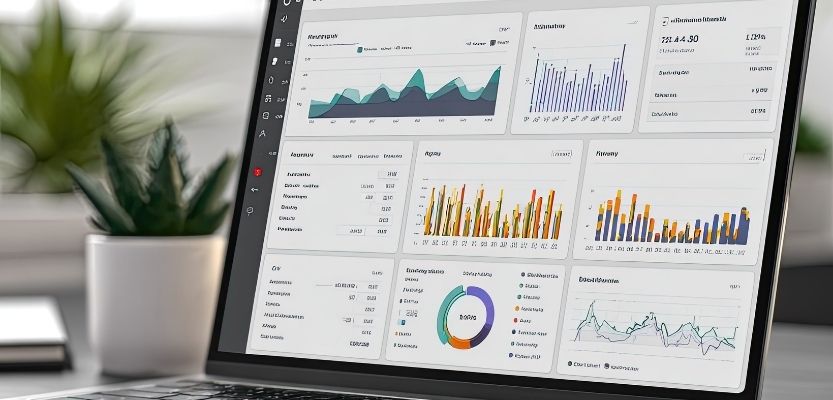
The common trap: tracking without strategy
With all the monitoring of data, you can get swept along looking at tools and data. Tracking becomes a comfort blanket. It’s something you do regularly.
Fancy dashboards which look impressive, but there’s no way to know what to change. And the more numbers you see the more overwhelmed you become, because there’s no direction to help make a decision.
The other wobble: strategy without tracking
You’ve got a fabulous strategy and you’re actioning it as planned. Then never measure the progress. There’s loads of effort going in, but confidence is pretty low as there’s no idea whether what you’re doing is working. When strategy has no feedback look it’s hard to know what to keep doing and what to stop.
How to tell which you need first: strategy or tracking?
Here’s some guidance to know which you should prioritise:
- If you feel unclear on your priorities, then that’s a classic case of needing a strategy
- If you know what you’re doing but can’t see the results, you need to start monitoring
- If you are doing lots of marketing ‘stuff’ but unsure why, then strategy first.
- If you have a plan but no idea what’s working, then that’s where tracking comes in.
If this has you nodding along, you’ll like the quick check in I’ve made. It helps you see whether your marketing is pulling its weight in under 10 minutes.
Strategy and tracking working together
So there is a sweet spot in all of this, as strategy and tracking go hand in hand. You’ll find that marketing strategies that work with monitoring:
- Set the direction
- Check progress
- Build confidence
- Remove the need for guesswork
- Help with intentional decisions

Is your marketing pulling its weight?
As a business owner, figuring this all out alone is hard. You’re not a marketer – you’re a specialist in your own field.
If you’d like a quick way to sense-check whether your marketing is doing its job or just making you more overwhelmed, I’ve put together a free download. It’ll give you a clear view of what’s helping and what needs your attention.